Capture
Data on generation, consumption, grids, heat and storage is brought together in a local data space and presented in an accessible way.
 Energie.Digital.Stanzertal
Rural Innovation Partnership · 2026–2029
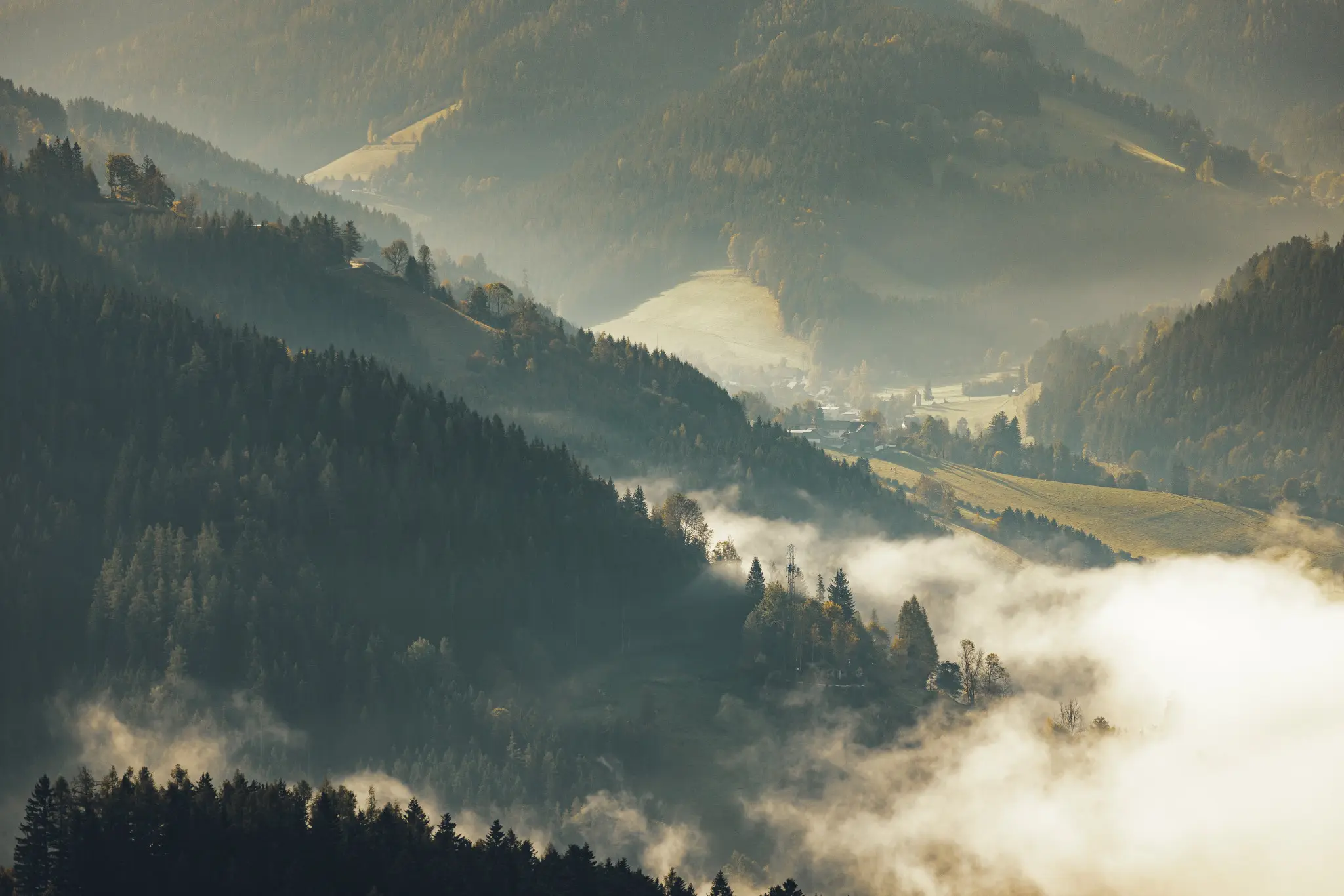
Stanzertal brings together local knowledge, renewable energy and digital opportunities to create a resilient and liveable future for the region.
Explore the projectWhat is it about?
Stanz is not only producing renewable energy. The community is also building knowledge about how energy can be used locally, shared fairly and shaped together.
The project brings the municipality, the energy community, businesses, associations and residents to one table. Generation and consumption are made visible and understandable. Together, we develop solutions that fit Stanzertal – practical, regional and step by step.
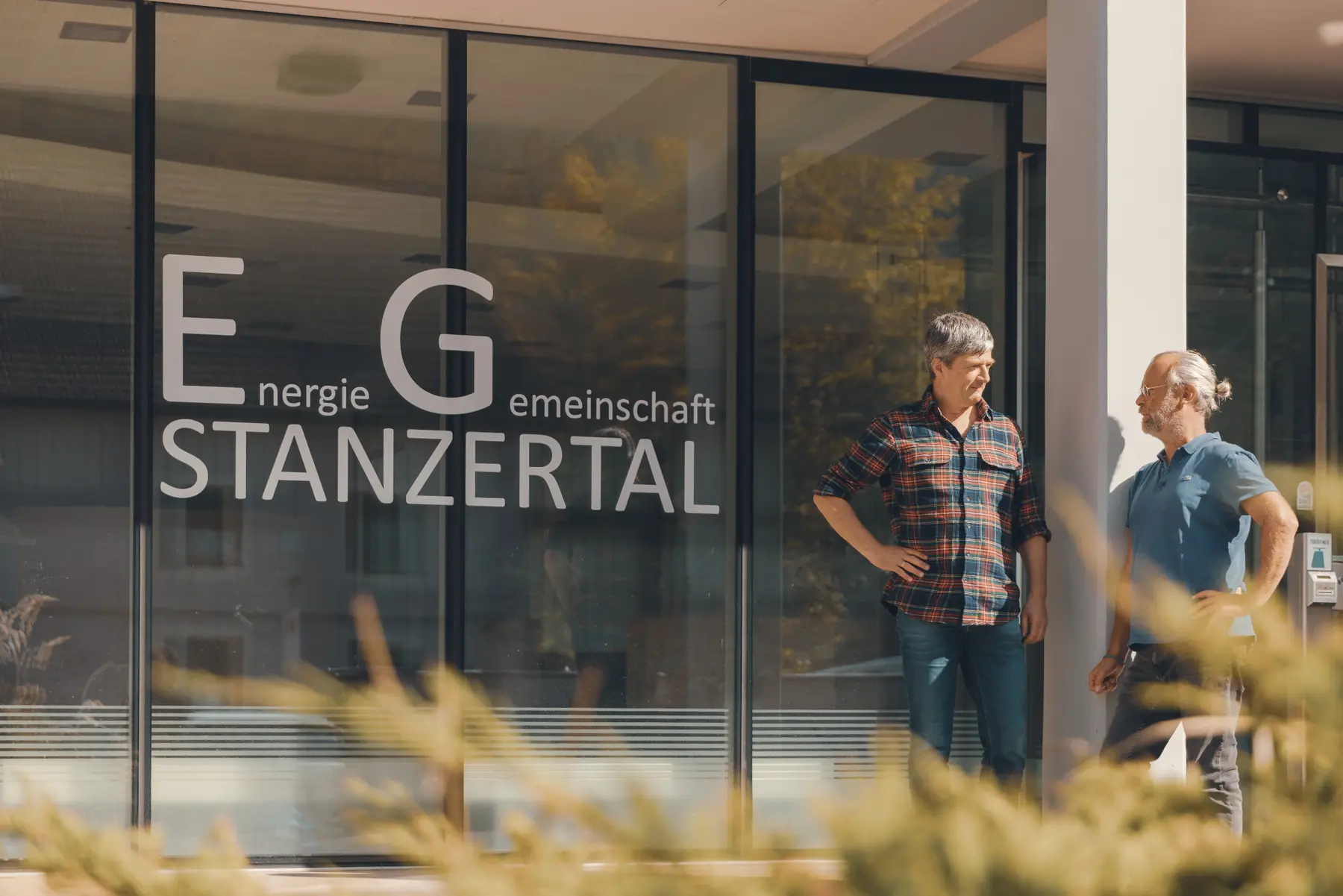
Shared impact “The energy transition succeeds when people understand it, help shape it and see a tangible benefit.”
The guiding idea
An Energy Shed is not a single building. It is a local energy area in which electricity generation, consumption, grids, heat and storage are considered together – and connected with the people and organisations on the ground.
This creates a shared picture of Stanzertal’s energy system. It shows not only the current situation, but also untapped potential and the solutions that can be tested under real-life conditions.
Data on generation, consumption, grids, heat and storage is brought together in a local data space and presented in an accessible way.
Around 100 households and businesses will be digitally integrated. Simulations will show how energy flows can be better coordinated.
Flexible demand, distributed batteries and a potential community battery can help use more energy when it is available locally.
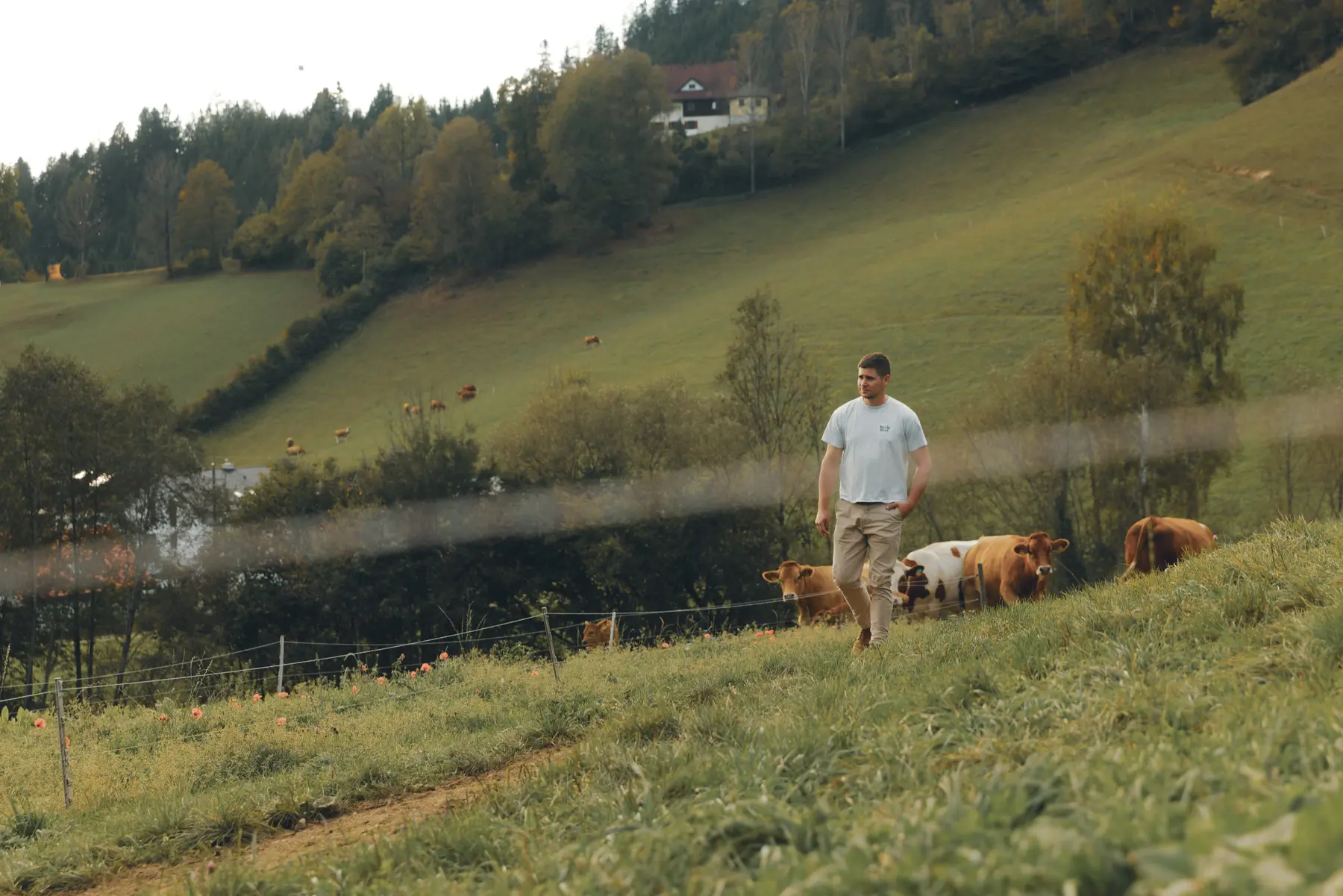
Two to three farms will serve as real-world testbeds for local value chains, viable business models and new forms of cooperation.
The shared goal
Greater local value creation, resilience and autonomy do not mean disconnecting from the wider energy system. They mean reducing dependencies, making better use of local resources and strengthening the community’s capacity to act together.
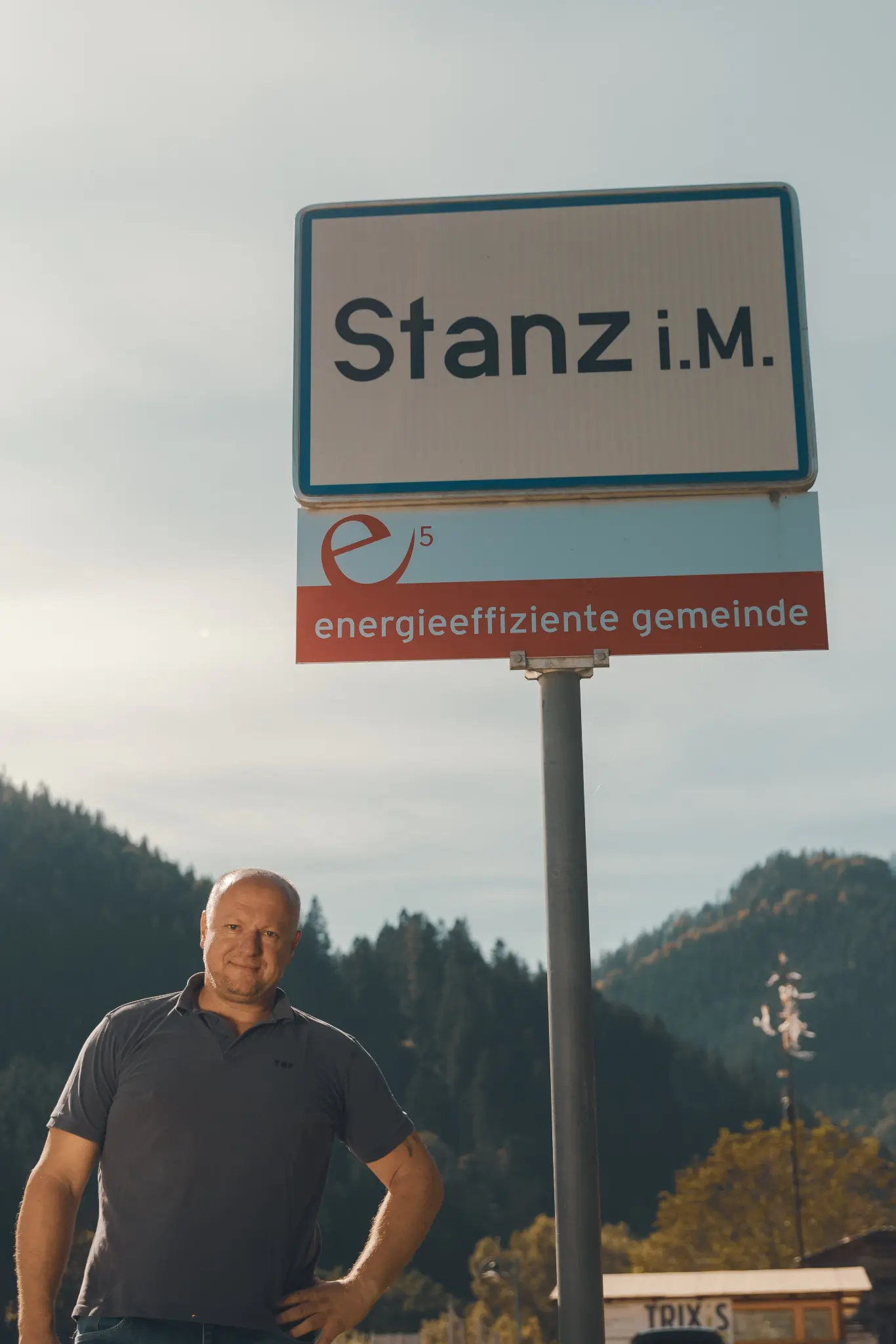
Stanz sets an example
“Being one of only eight selected projects in Austria is a special distinction for our municipality. It shows that our long-term work is recognised and that even a small community can provide important impetus.”
Dieter Schabereiter
Mayor of Stanz im Mürztal
Four focus areas
Technology is a tool. What matters is what it enables for people and for the region.
Data on consumption, generation, grids and heat is brought together and made easy to understand.
We examine how renewable generation, storage and flexible demand can work together across the valley.
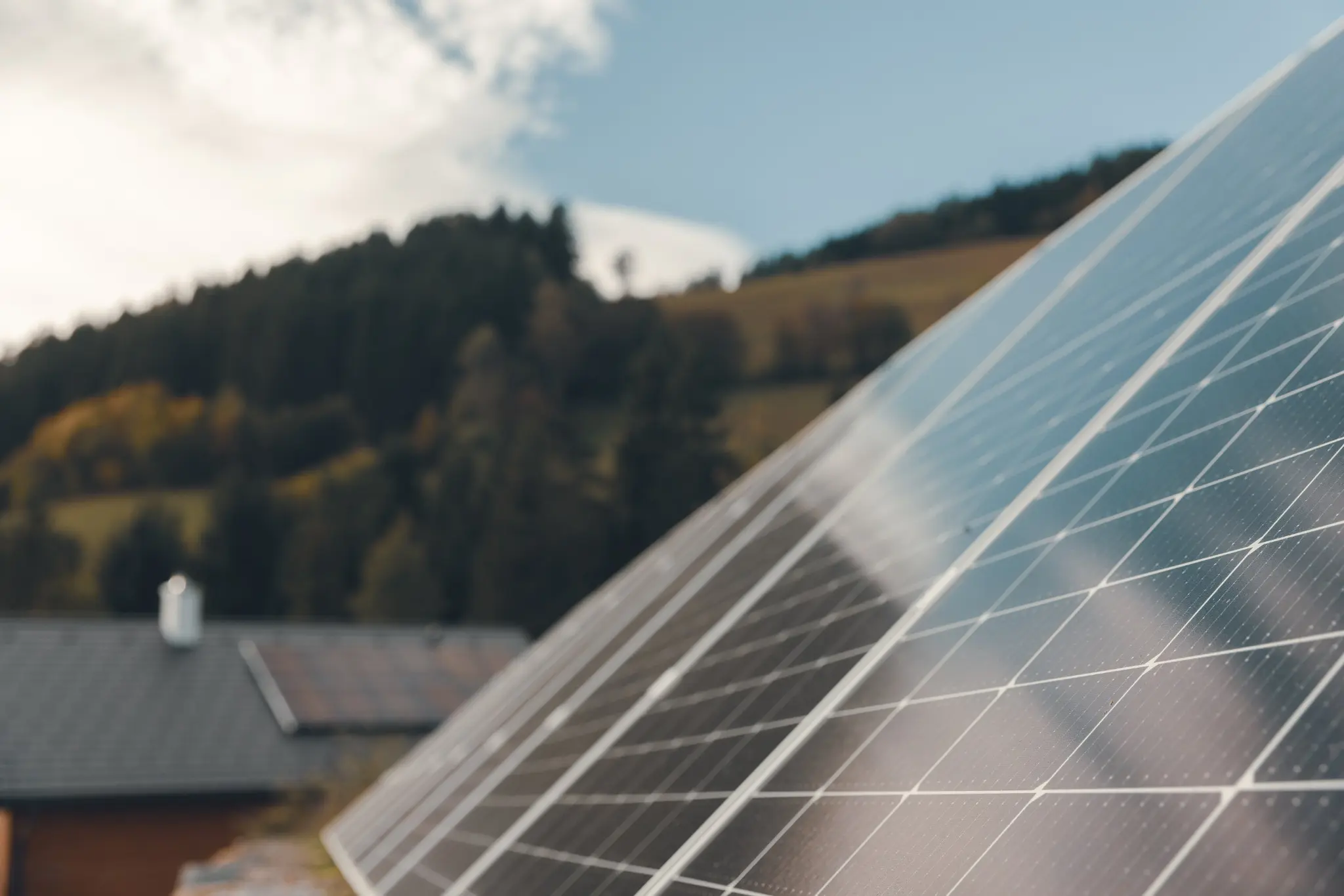
Ideas become practical pilots – combining digital technology, regional business models and real-world experience.
Residents, associations, young people and businesses contribute their experience and perspectives to create lasting solutions.
Developing the energy community
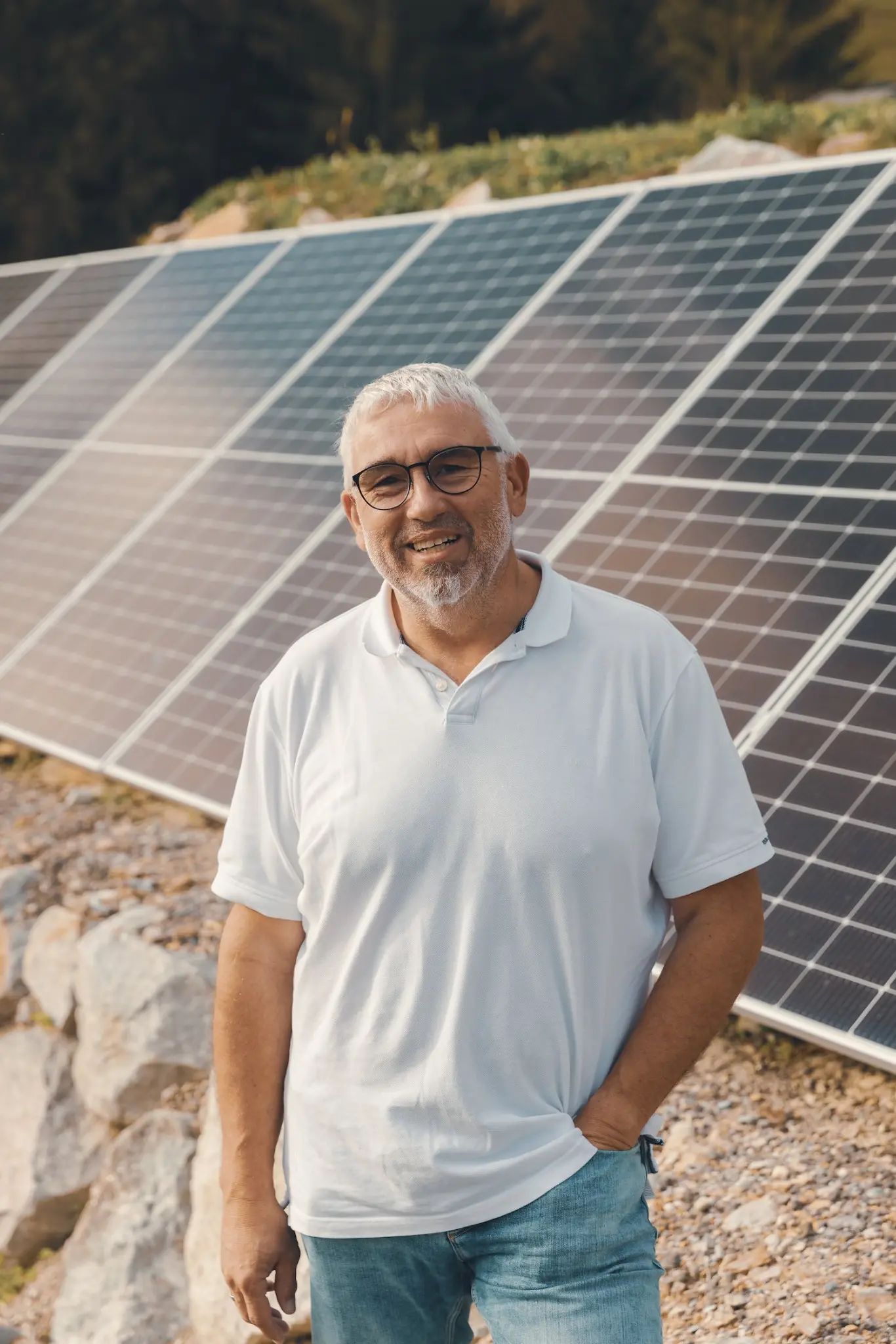
“The energy community already provides tangible benefits for its members. Through the project, we want to coordinate generation, consumption and storage even more effectively and develop the energy community step by step.”
DI Sven Aberle
Chair of the Stanzertal Energy Community
A special opportunity
Funding measure 77-03, “Rural Innovation Systems within the European Innovation Partnership”, supports regions in jointly developing and implementing new solutions.
For a small municipality, this funding creates room to actively shape the future alongside essential day-to-day responsibilities. Stanz being selected as one of eight projects confirms its strong position as an innovative rural community.
€300,000 is allocated to staff and material costs, funded at 100 per cent. A further €50,000 is earmarked for investments, funded at 65 per cent.
Funded under Austria’s CAP Strategic Plan 2023–2027 by the European Union, the Austrian federal government and the Province of Styria. Approving body: Austrian Research Promotion Agency (FFG).
The roadmap
Launch the project in June, bring energy data together and develop a shared vision for Stanzertal.
Design business models, involve volunteers and test digital applications in everyday settings.
Expand successful solutions and create a practical toolkit for other rural communities.
Secure the knowledge gained and define the next steps for long-term implementation.
Volunteering & energy
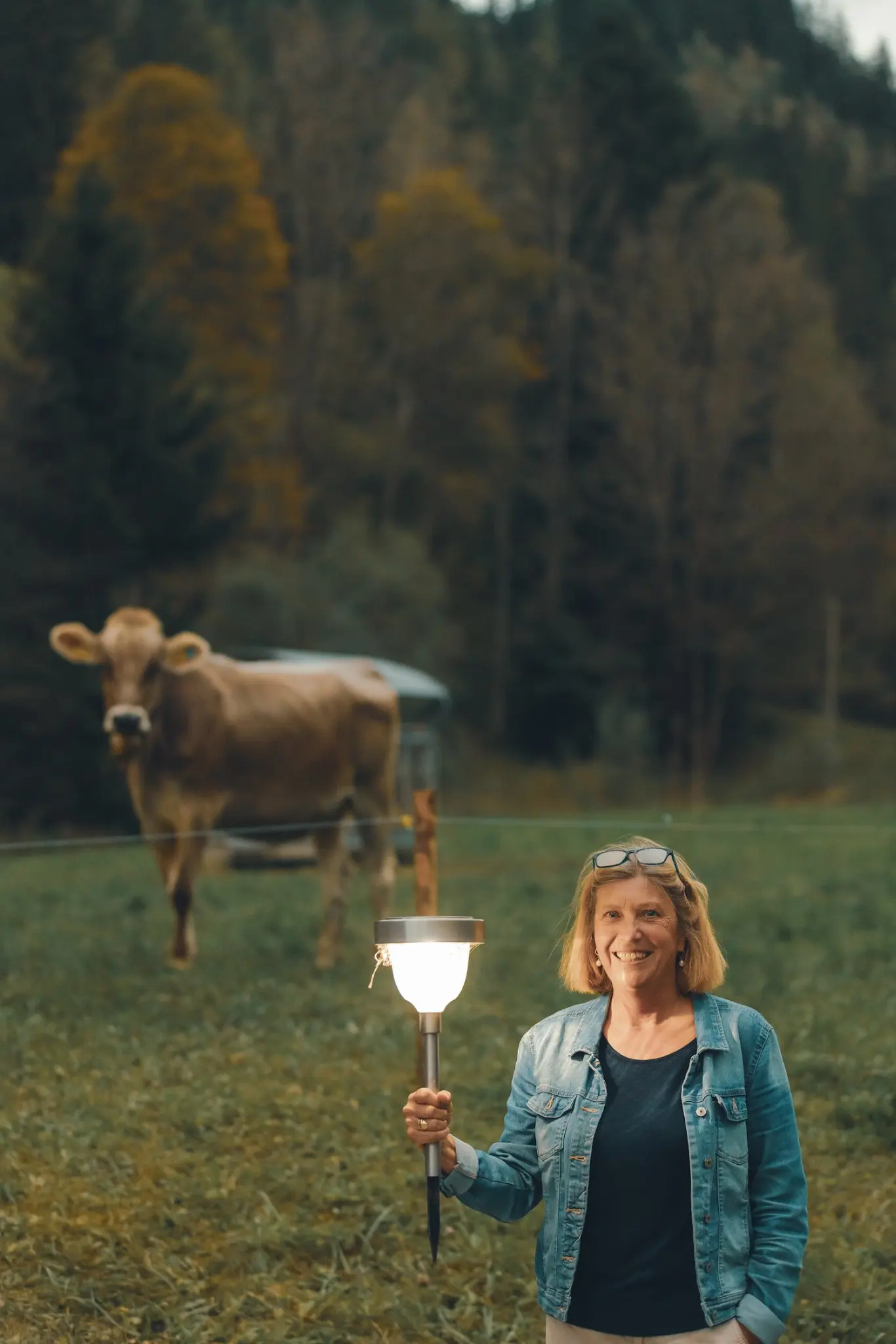
Technology alone is not enough. What matters are people who contribute their experience, time and ideas – through the energy community, associations, working groups and direct exchange on the ground.
The project creates space for this: we want to strengthen existing engagement, attract new volunteers and young people, and explore how digital tools can make voluntary work easier. This turns energy into a community project and strengthens Stanzertal’s capacity to act.
Get involvedJointly delivered by
Municipality of Stanz Stanzertal
 Process facilitation
In cooperation with LAG Mariazellerland Mürztal for regional anchoring, networking and knowledge transfer to other municipalities and regions.